
A Strategic Guide To Marketing Your Lewisburg Home
July 16, 2026
July 16, 2026
If you are selling your home in Lewisburg, getting it online is not enough. Buyers often start their search on a phone, compare several homes before they ever tour, and make quick decisions based on price, photos, and first impressions. That means your marketing strategy needs to do more than announce your listing. It needs to position your home clearly, beautifully, and competitively from day one. Let’s dive in.
Lewisburg is not a one-size-fits-all market. It is a small borough with a distinct identity shaped by its historic downtown, preserved homes, local shops and restaurants, trails, parks, and access to the Susquehanna River. When your home fits that setting, the marketing should reflect more than room count and square footage.
The market also rewards precision. Recent data showed a median sale price of $294,824 over the three months ending May 2026, a median 92 days on market, and a 96.2% sale-to-list ratio. At the same time, some homes sold above list price, which shows that strong positioning can still create competition.
In a market like this, generic exposure can fall flat. A strategic plan helps your home stand out, attract serious buyers, and avoid the drag that often comes with overpricing or weak presentation.
Pricing is one of the most important parts of your marketing plan because it shapes who sees your listing and how buyers respond. A strong asking price should reflect your home’s size, condition, location, amenities, recent comparable sales, current market conditions, and your timeline.
If speed is important, a more competitive price may make sense. In Lewisburg, where homes are not typically absorbed instantly, overpricing can create unnecessary market time and reduce momentum. On the other hand, a well-priced home can still attract strong interest, especially when the presentation is polished.
Broad market averages can be useful for context, but they should not drive the final decision on your home. With a smaller number of recent sales, month-to-month data can shift quickly, so the most useful pricing strategy is seller-specific and based on recent comparable properties.
A smart price supports every other part of your launch. It can:
The best marketing starts before the listing is active. If buyers are going to judge your home online first, the version they see needs to feel clean, bright, calm, and well cared for.
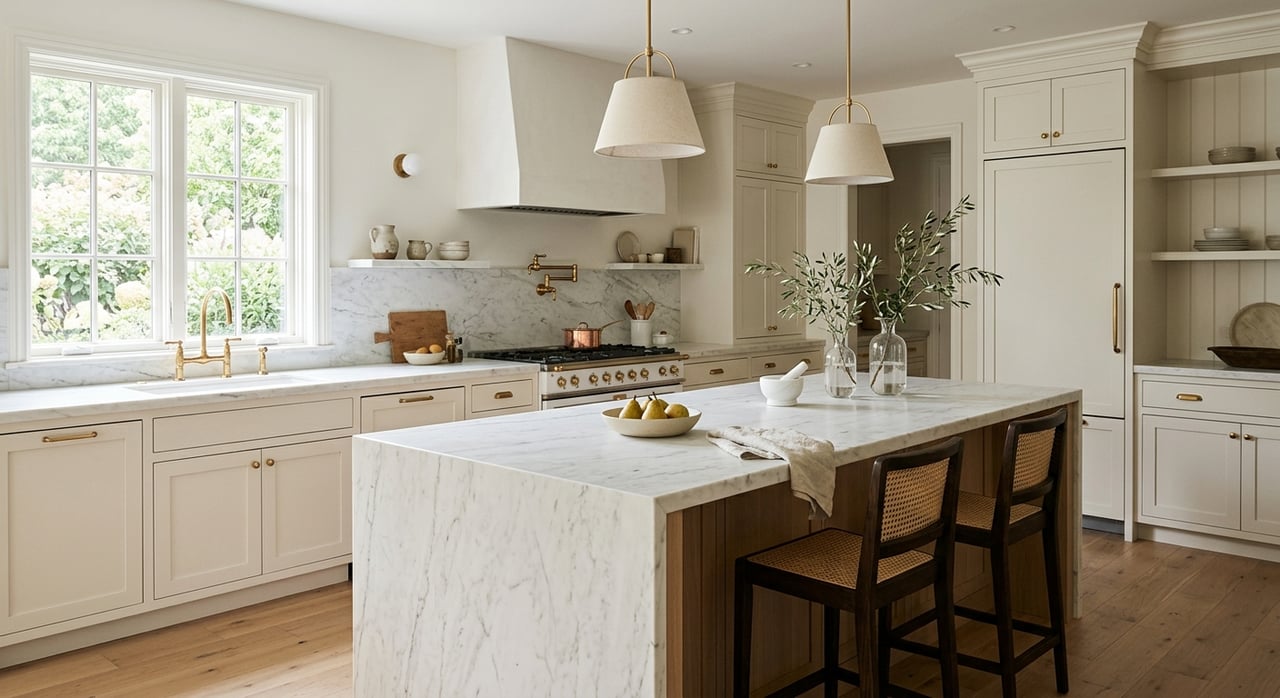
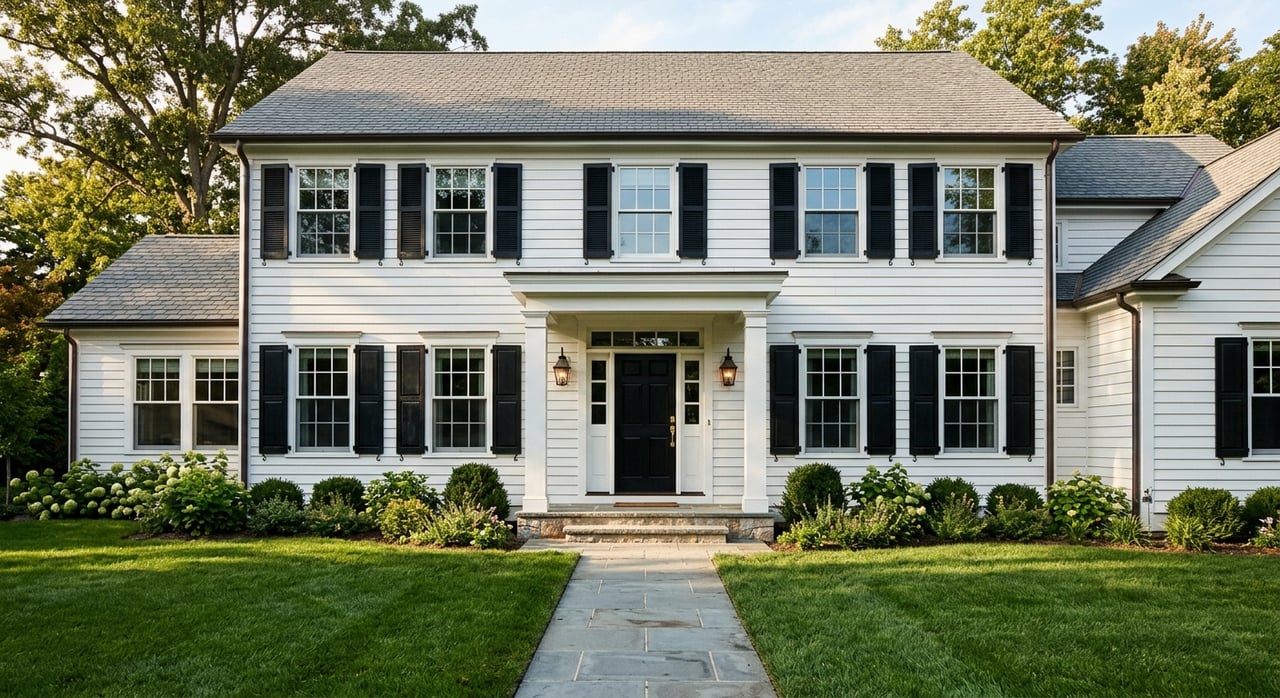
Simple preparation can make a major difference. Cleaning windows, carpets, lighting fixtures, and walls, reducing clutter, and improving curb appeal all help your home look better in photos and in person.
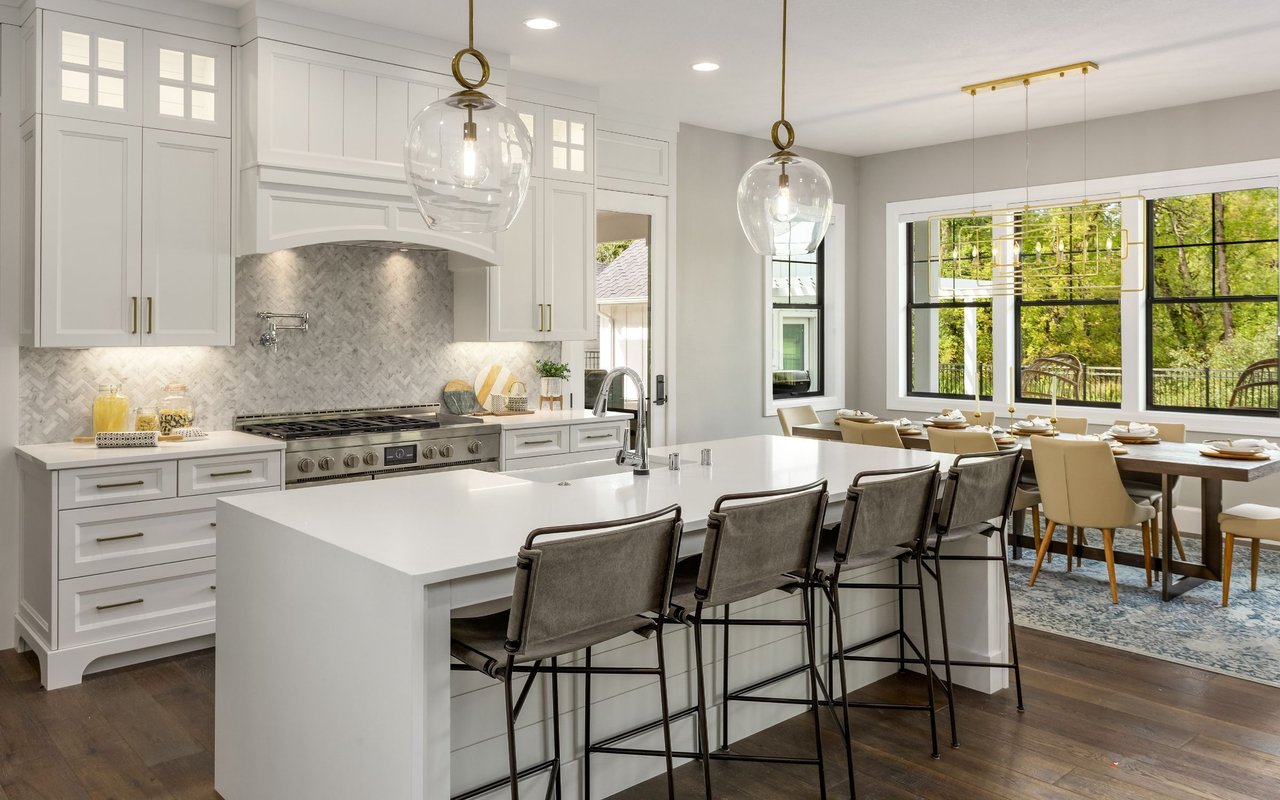
For many sellers, it also helps to think beyond decoration. Staging works because it helps buyers picture how the home functions and feels. A clean, neutral, uncluttered backdrop often makes spaces look larger, more usable, and easier to connect with.
A pre-sale inspection is not required, but it can be useful. It may uncover issues that could affect pricing, negotiations, or buyer confidence later in the process.
If significant items come up, such as roofing, HVAC, or major appliance concerns, you can decide whether to address them before listing or prepare for how they will be handled during negotiations. That kind of preparation often leads to fewer surprises.
In Pennsylvania, most sellers of residential real estate must disclose known material defects on the state property disclosure statement before signing the transfer agreement. A material defect is a problem that could significantly affect value or create an unreasonable risk to people on the property.
This is one reason preparation matters so much. The more clearly you understand your home’s condition before listing, the easier it is to market your property accurately and move through the transaction with confidence.
Photos are not a minor detail. They are one of the biggest drivers of buyer attention online. Recent guidance found that 81% of buyers rated listing photos as the most useful feature during their online home search.
That matters because many buyers begin online, often on a mobile device, and decide whether to click based on the first image and the early photo order. If your home does not make a strong visual impression right away, buyers may move on before they ever read the full description.
Professional photography, thoughtful image sequencing, and a mobile-friendly presentation are essential. The goal is not just to document the home. It is to create a visual story that invites buyers to take the next step.
Your early images should highlight the spaces and features most likely to matter right away. That often includes:
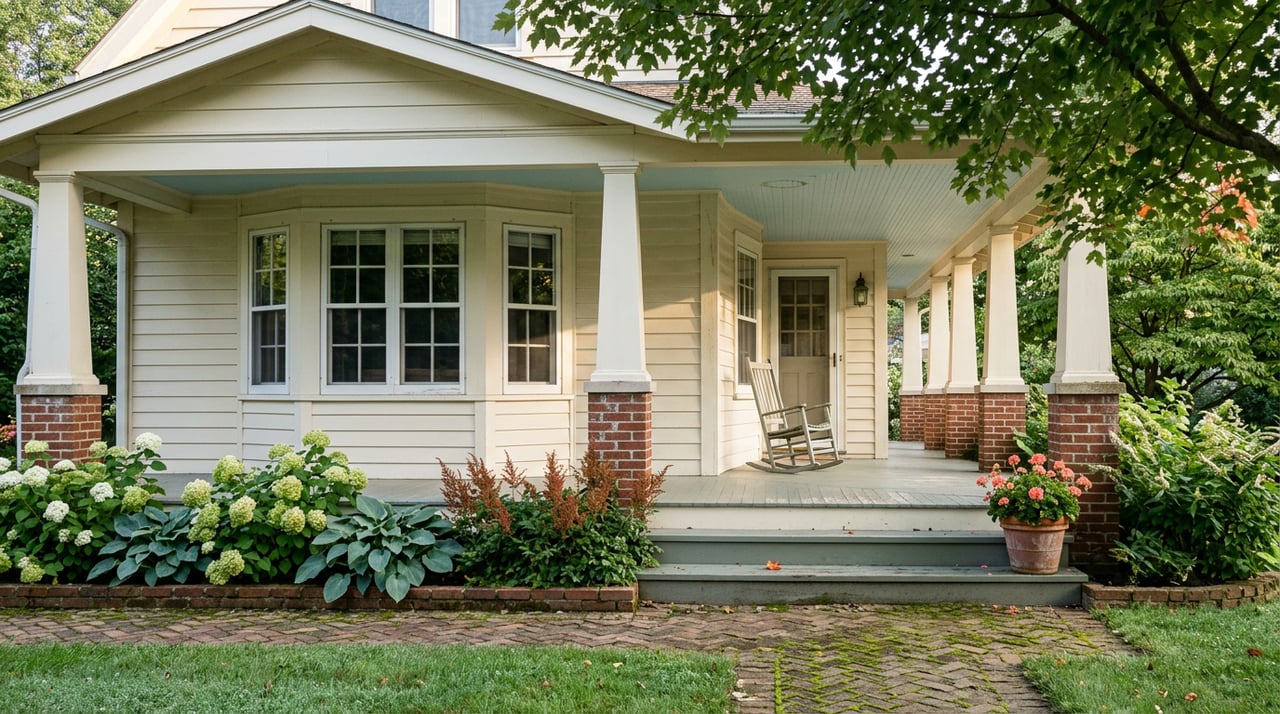
In Lewisburg, the most effective photo strategy often combines polished interiors with a sense of place. If the home has a porch, mature landscaping, walkable location, or other features tied to everyday living, those details should be presented with purpose.
A good listing description should do more than fill space. It should help buyers understand what makes your home valuable, functional, and appealing in real life.
That starts with specifics. Buyers tend to respond to features that connect to everyday living and long-term value, such as usable outdoor areas, flexible rooms, and energy-efficient improvements. Vague phrases do not do the job nearly as well as clear, accurate details.
In Lewisburg, place-based storytelling can be especially effective. When it fits the property, the listing can connect the home to the borough’s historic character, downtown amenities, trails, parks, or river access. The key is to stay factual and concrete, showing how the location adds to daily life without relying on empty lifestyle language.
The most compelling marketing usually answers a simple question: why this home, in this place, right now?
For one property, that might mean highlighting preserved architectural character and proximity to downtown. For another, it may be a peaceful setting, a practical floor plan, or outdoor space that supports how buyers want to live. The message should fit the home, not a template.
Since many buyers begin online and 52% found the home they purchased online, launch-day visibility matters. Buyers also rely on saved searches, listing alerts, and social feeds to discover new listings.
That means your home should be ready before it hits the market. Pricing, photos, staging, and copy all need to be aligned so your listing makes the most of that first wave of attention.
A coordinated launch is far more effective than posting first and fixing details later. In a market with limited inventory and strong comparison shopping, your first impression carries real weight.
Online marketing creates interest, but showings are where buyers test that first impression in person. A polished listing experience includes showing discipline from the beginning.
Before showings, it helps to declutter, depersonalize, deep clean, make needed repairs, hide valuables, manage odors, open window treatments, and turn on lights. If you have pets, taking them with you during showings can also help make the visit smoother.
Once you establish a routine, it becomes easier to keep the home ready on short notice. That consistency matters because buyers may move quickly when a home matches what they saw online.
A strong strategy is not only about visuals. It also includes:
When these details are handled well, your home is easier to tour, easier to remember, and easier to take seriously.
Professional marketing should always be vivid, accurate, and inclusive. Fair housing rules apply to housing advertising, including listing language, imagery, and digital targeting.
That means the focus should stay on the property itself and its factual features. Clean descriptions, accurate photos, and broad, inclusive marketing help protect both the seller and the integrity of the listing process.
In Pennsylvania, it is unlawful to use words or phrases in housing advertisements that imply unlawful preference or discrimination unless they are used in a clearly neutral context. A thoughtful marketing plan makes room for strong storytelling without crossing that line.
Basic marketing puts your home online. Strategic marketing brings together pricing, preparation, presentation, photography, listing copy, digital exposure, showing readiness, and compliance into one coordinated plan.
That approach matters in Lewisburg. Buyers are searching online first, comparing homes carefully, and making decisions based on details that are easy to overlook when a listing is rushed or generic.
When your home is marketed with care, it has a better chance of attracting the right attention early and moving forward with less friction. That is especially important when you want a process that feels polished, informed, and well managed from start to finish.
If you are preparing to sell in Lewisburg and want a thoughtful plan built around pricing, presentation, and local market insight, Teresa M Keeley can help you move forward with clarity and confidence.


Teresa delivers a refined and highly personalized approach to Pennsylvania real estate. Her commitment to exceptional service and meaningful relationships creates a seamless experience from start to finish. Discover the difference trusted representation can make.
23 North Derr Dr Ste 28 Lewisburg, PA 17837